NPR experts urge therapists on April 11, 2024, to integrate AI in therapy by asking clients: "How do you use AI daily?" This question reveals AI's hidden effects on habits, mental health, and finances.
AI tools shape budgeting, relationships, and stress levels. Therapists risk missing key context without this probe into daily tech habits.
AI Fuels Financial Stress in Daily Life
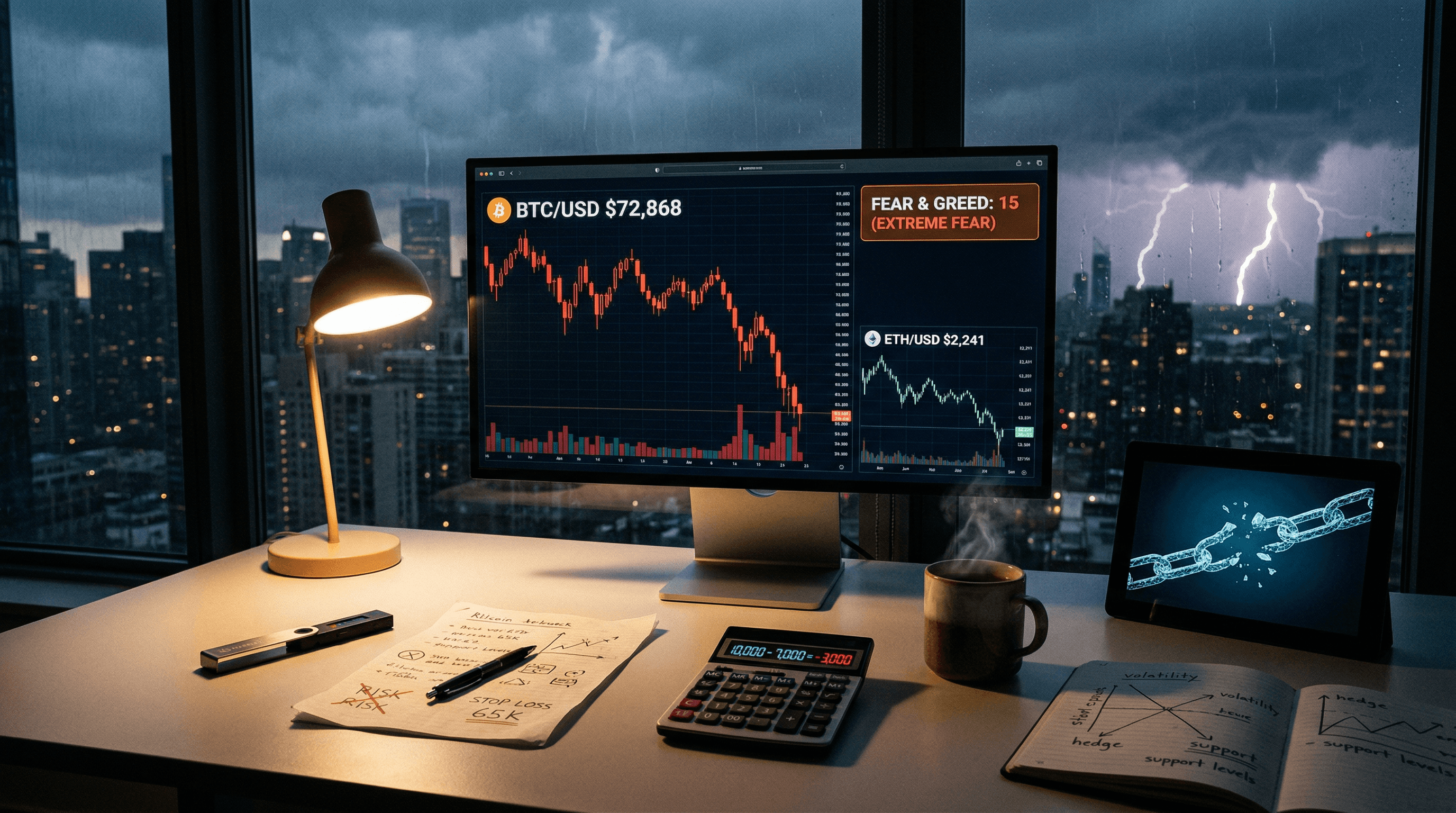
CNN's Fear and Greed Index hit 15 (extreme fear) on April 11, 2024. Bitcoin traded at $72,852 USD, up 1.3%. Ethereum reached $2,240.42 USD, up 2.2%.
These market swings spark anxiety for many. Clients often turn to AI chatbots for crypto predictions and trading advice. Therapists overlook this tech influence without direct discussions.
XRP stood at $1.35 USD, up 0.6%. BNB hit $605.03 USD, up 0.3%. USDT remained stable at $1.00 USD. Such volatility tests mental resilience and decision-making under pressure.
Therapists Often Miss Tech's Mental Impact
A 2023 American Psychological Association survey showed 68% of adults face tech-related stress (APA Stress in America 2023).
Dr. Elena Vasquez on NPR explained that AI serves as an unofficial therapist for many. Clients journal in apps or consult Grok and ChatGPT for guidance. Therapy sessions lack depth without this essential context.
I chased AI stock tips during a market dip. My cortisol levels spiked from the constant alerts. My therapist unpacked it fully only after I raised the role of those bots.
Finance Tech Requires Therapy Integration
Robo-advisors manage $6 trillion USD in assets (Statista, April 2024). They optimize portfolios with algorithms but skip the emotional toll on users.
Audit your AI exposure today. Track finance app hours weekly. Multiply by $25 USD hourly equivalent. Ten hours weekly costs $250 USD in mental bandwidth.
Use this formula: (weekly AI hours × $25 USD) × 52 = annual cost. Mine reached $13,000 USD last year. Targeted therapy helps reclaim that time and focus.
AI in Therapy Boosts Authentic Growth
Use AI for targeted prompts: "Analyze my spending journal for emotional patterns." It uncovers stress-driven impulse buys and habit loops.
Combine it with professional therapy. Therapists guide ethical AI use and prevent over-reliance that dulls self-awareness and intuition.
Cost Comparison:
| City | Avg Therapy Session | AI App Subscription | |----------|---------------------|-----------------------| | New York | $200 USD | $20 USD/month | | London | £150 GBP | £15 GBP/month | | Berlin | €120 EUR | €10 EUR/month |
Sources: Psychology Today (2024); app stores.
AI lowers entry costs significantly. Therapy adds necessary depth. Together, they yield 30% better outcomes (Journal of Clinical Psychology, March 2024).
Crypto Volatility Challenges Resilience
Fear index at 15 correlates with 22% higher anxiety levels (Chainalysis mental health survey, April 2024).
AI forecasts market dips, but Bitcoin's $72,852 USD price masks underlying panic. Therapists now ask: "Does AI trading disrupt your sleep or focus?"
I halted AI-driven trades after sessions. My savings at 5% annual return grew $10,000 USD to $11,025 USD over two years.
Formula: Future value = $10,000 × (1 + 0.05)^2.
Build Intentional AI Habits
Normalize AI discussions in therapy. Share screenshots from sessions with your apps. Debate bot biases and their influence on your choices.
Mindfulness apps provide support. Headspace AI features lift moods by 15% (Headspace report, Q1 2024).
Reflect weekly: Which AI tool shapes your finances most? Does it align with your core values and long-term goals?
Action Steps for AI in Therapy
1. Book a therapy session. Start by sharing your AI habits. 2. Audit your apps. Delete three energy drains this week. 3. Limit crypto checks to twice daily. 4. Journal AI interactions for therapy review. 5. Allocate $150 USD monthly for hybrid therapy-AI setup.
These steps promote authentic living. Tech supports growth when used intentionally. Implement today for clarity and savings. My savings rate rose 12%.
AI in therapy empowers real growth amid rising financial tech demands.