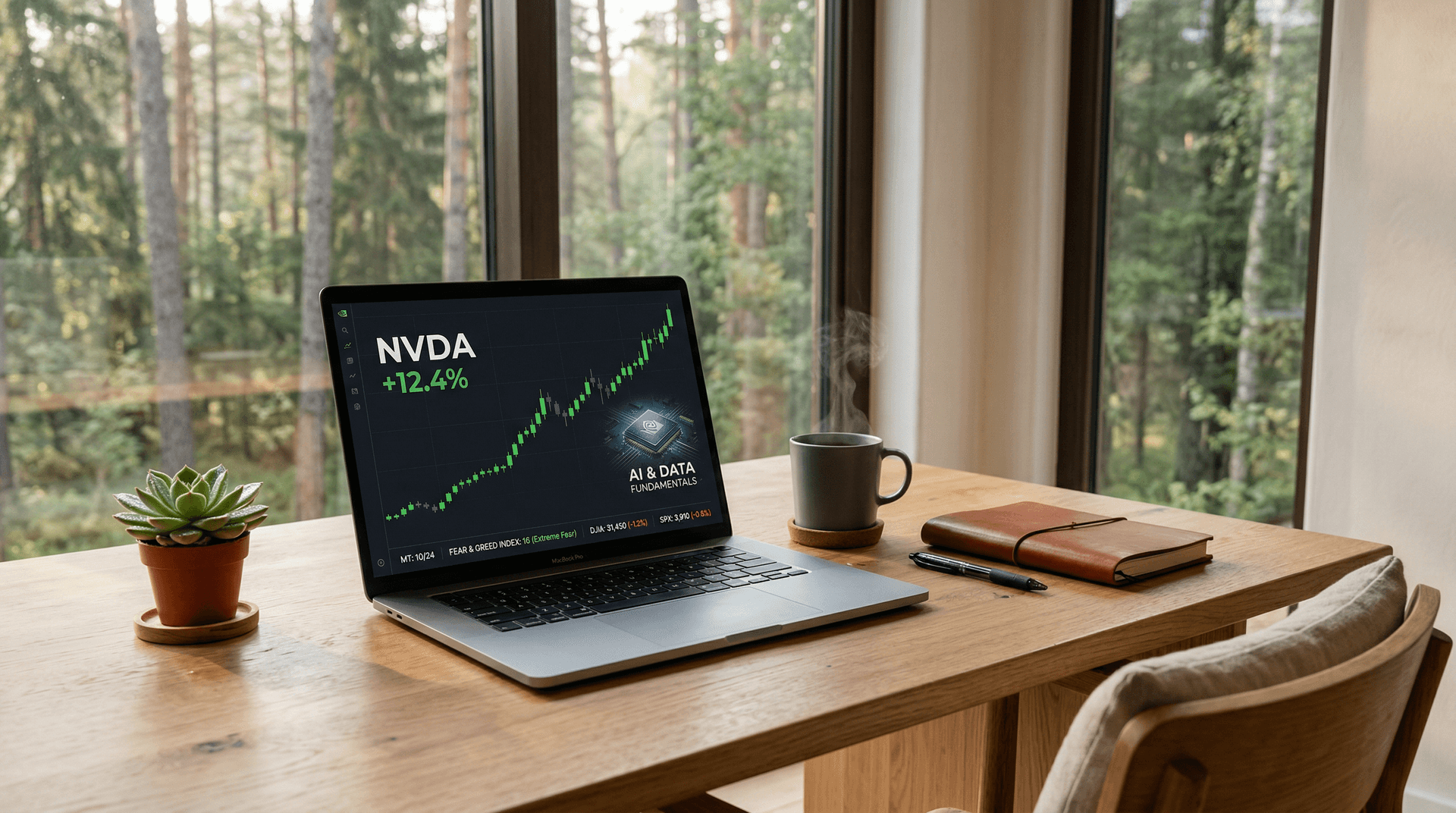
On August 5, 2024, global financial markets experienced their most dramatic single-day drop in decades. Japan's Nikkei 225 plummeted 12.4%—its worst decline since 1987—while the S&P 500 and Nasdaq futures tumbled over 4% in early trading. Triggered by the unwinding of the yen carry trade and fears of a U.S. recession, this "Black Monday" event sent shockwaves through investor portfolios worldwide. As of August 11, markets have shown partial recovery, but the volatility lingers, heightening stress for everyday people managing 401(k)s, investments, and personal budgets.
In the niche of lifestyle and personal development, such events aren't just numbers on a screen—they're emotional earthquakes. Financial uncertainty disrupts authentic living, fueling anxiety, sleep loss, and decision paralysis. But here's the empowering truth: this moment is an invitation for wellness practices that build inner resilience. By integrating mindfulness, self-reflection, and intentional habits, you can transform fear into fortitude.
The Emotional Toll of Market Volatility
Financial stress is a wellness killer. Studies from the American Psychological Association consistently rank money worries as a top stressor, correlating with higher cortisol levels, weakened immunity, and relational strain. The August crash amplified this: headlines screamed "crash," social media buzzed with panic-selling advice, and retirement dreams felt suddenly fragile.
For those pursuing personal development, the knee-jerk reaction—obsessively checking apps or doom-scrolling CNBC—undermines authentic living. It pulls you into reactive mode, away from proactive self-mastery. Recognizing this pattern is step one: pause and name the emotion. Are you scared? Frustrated? This awareness, drawn from mindfulness traditions, creates space between stimulus and response.
Mindfulness Practices for Immediate Relief
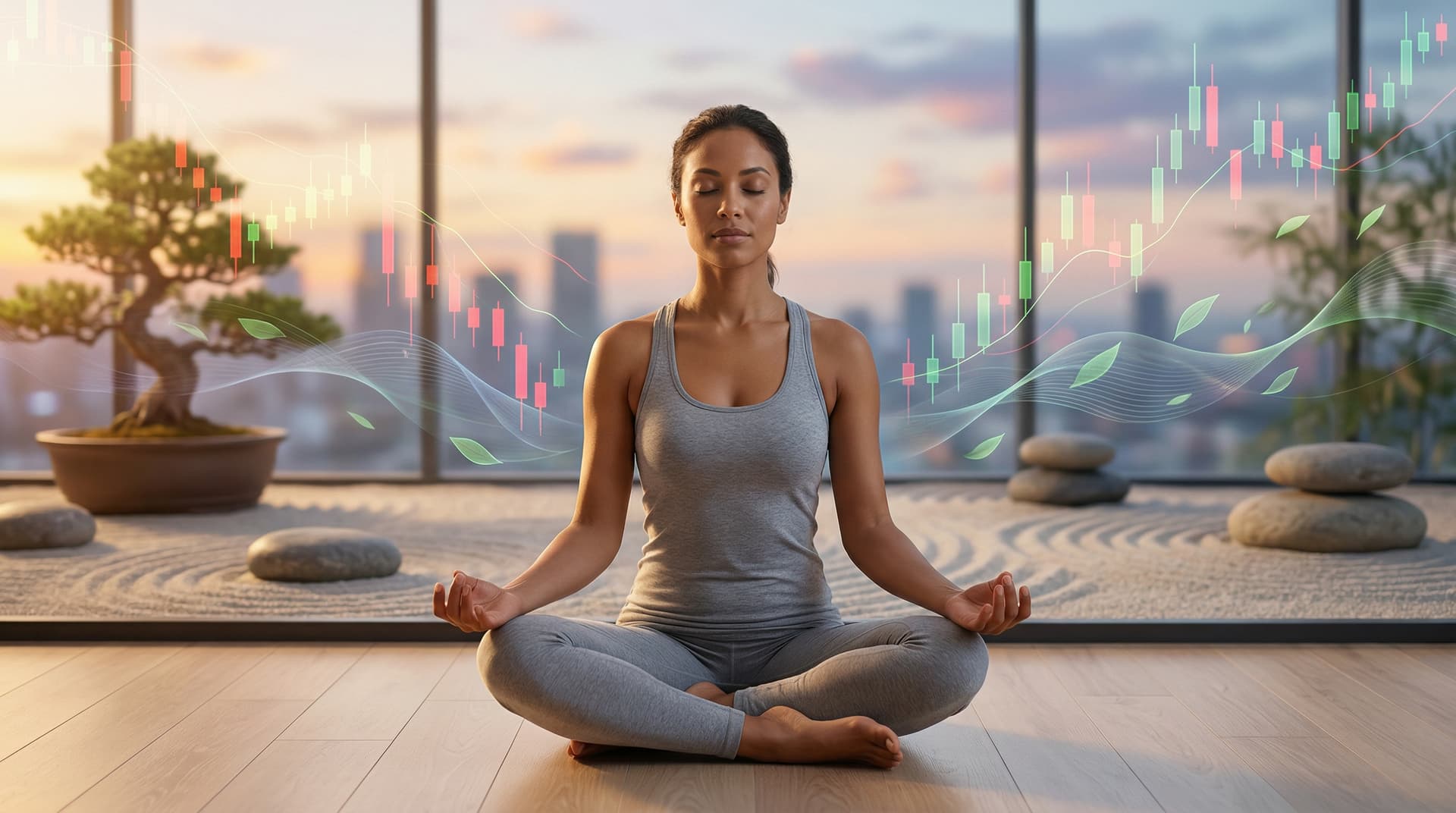
Start with breathwork, a cornerstone of wellness. Try the 4-7-8 technique popularized by Dr. Andrew Weil: inhale for 4 seconds, hold for 7, exhale for 8. Do this during market open (9:30 AM ET) to ground yourself before the frenzy. Apps like Calm or Insight Timer offer guided sessions tailored to anxiety—many free amid current events.
Journaling amplifies this. Each evening, write three prompts: 1. What financial facts do I control today? 2. What story am I telling myself about this crash? 3. One authentic action for tomorrow.
This practice fosters clarity. During the August 5 turmoil, many investors regretted impulsive sells; journaling could have highlighted long-term horizons over short-term dips.
Authentic Financial Assessment
Personal development thrives on truth-telling. Use the crash as a catalyst for a "money audit."
- Emergency Fund Check: Aim for 3-6 months' expenses in cash equivalents. If lacking, redirect non-essentials.
- Diversification Review: Beyond stocks, consider bonds, real estate, or side hustles. The yen carry trade lesson? Don't over-leverage exotic bets.
- Values Alignment: Does your portfolio reflect authentic living? Ethical investing (ESG funds) surged in popularity pre-crash; now's the time to pivot if misaligned.
Tools like Mint or YNAB (You Need A Budget) simplify this without tech overload. Remember, Warren Buffett's advice during 2008: "Be fearful when others are greedy, greedy when others are fearful." Wellness version: Be centered when others are chaotic.
Building Long-Term Resilience
Resilience isn't innate—it's cultivated. Incorporate these habits:
Daily Movement
Exercise buffers stress hormones. A 30-minute walk post-market close releases endorphins, countering the sedentary screen stare. Tie it to nature: forest bathing (shinrin-yoku) reduces cortisol by 12-16%, per Japanese research.
Community Connection
Isolation amplifies fear. Join wellness-focused finance groups like ChooseFI forums or Reddit's r/financialindependence. Share stories: "How did you weather 2020?" Authentic living blooms in vulnerability.
Sleep Optimization
Markets crash; don't let your sleep. Wind down with blue-light blockers and a gratitude ritual: note three non-financial wins. Quality rest sharpens decision-making—crucial as Fed Chair Powell speaks on August 23.
Lessons from History for Authentic Living
This isn't 1929 or 2008; context matters. Post-August 5, the Dow rebounded over 1,000 points the next day, underscoring volatility's fleeting nature. Personal development gurus like Brené Brown teach: vulnerability + courage = wholehearted living. Apply it to finance: own your portfolio's risks without shame.
Forward-looking, watch August's CPI data (August 14) and jobs report (August 2 was strong at 114k adds). But obsess less; live more. Authentic living means finances serve your wellness, not vice versa.
A Call to Embodied Action
The 2024 crash tests our growth. Embrace it as a teacher. By weaving wellness into wealth management, you emerge not just surviving, but thriving—grounded, intentional, free.
Commit today: one breath, one journal entry, one aligned step. Your future self, market-proof and peaceful, thanks you.
(Word count: 912)