On November 6, 2023, OpenAI hosted its inaugural DevDay event, unveiling groundbreaking tools that could redefine how we pursue personal development and wellness. Among the highlights were custom GPTs—user-created versions of ChatGPT tailored for specific tasks—and the Assistants API, enabling developers to build sophisticated AI helpers. While these announcements thrilled developers and businesses, their potential for individual wellness is equally profound. In a world where stress, burnout, and disconnection plague modern life, custom GPTs offer a tech-driven path to authentic living, mindfulness, and sustainable habits.
The DevDay Highlights: What Changed on November 6
OpenAI's event focused on making advanced AI more accessible. Custom GPTs allow anyone with a ChatGPT Plus subscription ($20/month) to design AI companions without coding. Users can upload knowledge files, set instructions, and share creations via a forthcoming GPT Store. The Assistants API complements this by letting developers integrate tools like code interpreters and web browsing into apps.
For wellness enthusiasts, this means democratizing coaching. No longer limited to generic advice, you can craft an AI perfectly suited to your lifestyle—be it a yoga sequence generator, a gratitude journal prompter, or a financial mindfulness guide tying into emotional well-being.
Why Wellness Needs This Tech Boost
Wellness isn't just physical; it's holistic, encompassing mental, emotional, and spiritual growth. Studies from organizations like the World Health Organization highlight rising anxiety from digital overload, with 280 million people affected by depression globally. Personal development practices—meditation, journaling, habit tracking—require consistency, but life gets in the way.
Custom GPTs address this by providing on-demand, personalized support. Imagine an AI that knows your sleep patterns (from inputted data), suggests bedtime routines, and gently reminds you via integrated apps. This fosters authentic living by aligning tech with human needs, not vice versa.
Real-World Wellness Applications
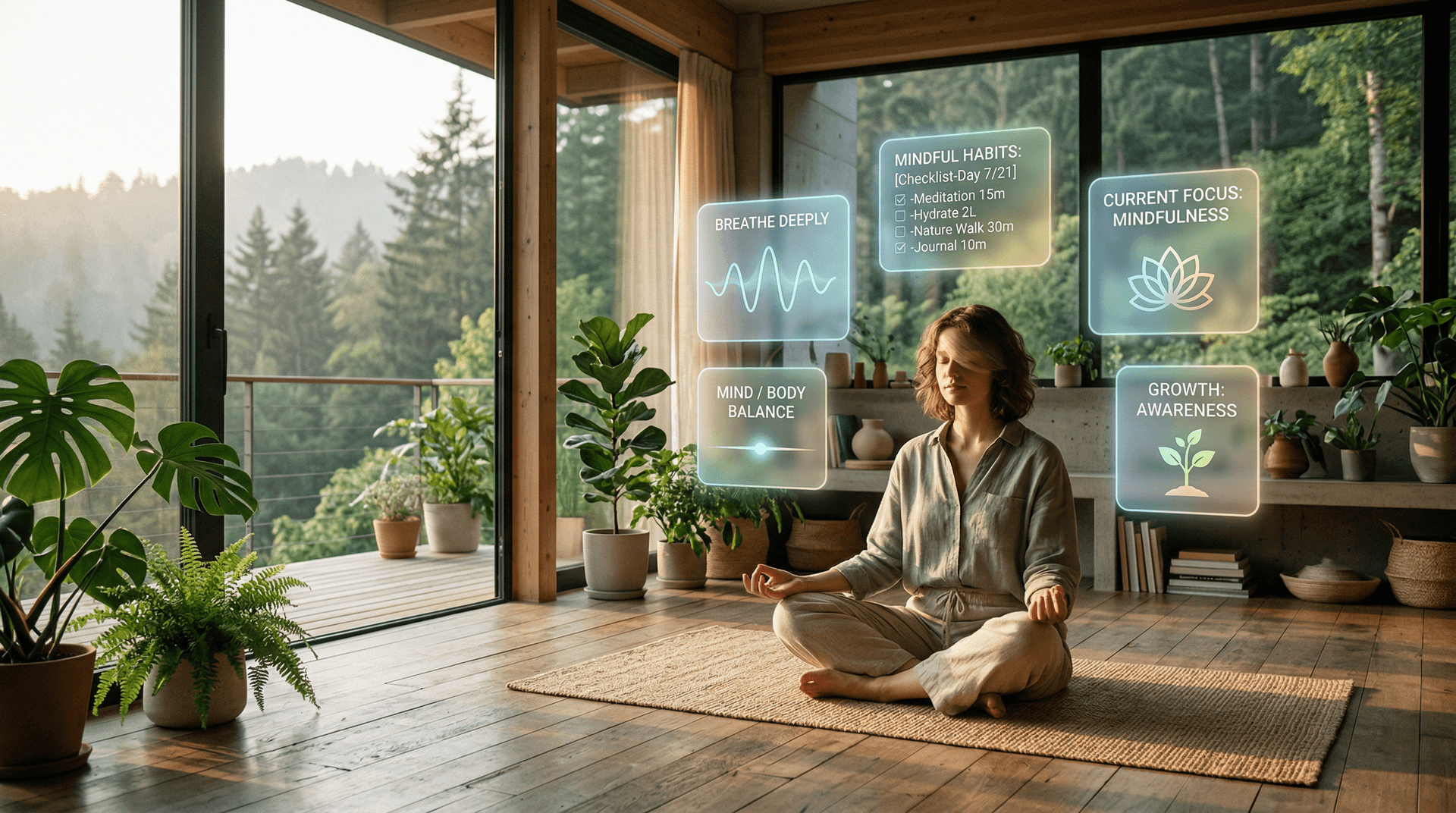
1. Mindfulness and Meditation Coach: Create a GPT named "Zen Guide." Instruct it with mindfulness techniques from experts like Jon Kabat-Zinn. It generates 10-minute guided sessions, tracks progress, and adapts based on your mood logs. Example prompt: "I'm feeling overwhelmed after work—guide me through a breathing exercise."
2. Habit Builder for Authentic Living: For personal development, build "HabitForge." Upload books like Atomic Habits by James Clear. It creates daily challenges, accountability check-ins, and reflections: "What small win did you celebrate today? How does it align with your core values?"
3. Journaling Ally: "Authentic Journal" prompts deep self-inquiry: "Reflect on a decision that felt inauthentic today. What would true alignment look like?" It analyzes entries for patterns, suggesting growth areas without judgment.
4. Stress and Emotional Wellness Tracker: Integrate with simple data inputs for a "Calm Companion." It offers cognitive behavioral therapy-inspired responses, like reframing negative thoughts, and recommends nature walks or digital detoxes.
5. Holistic Wellness Planner: A "Life Balancer" GPT that considers nutrition, exercise, sleep, and relationships. Input your goals (e.g., "Reduce screen time for better sleep"), and it outputs weekly plans with motivational quotes from wellness icons like Brené Brown.
These aren't hypotheticals—early adopters shared prototypes on social media post-DevDay, showing meditation bots and productivity coaches already in action.
Bridging Technology and Human Flourishing
Critics worry AI replaces human connection, but custom GPTs augment it. They're tools for self-awareness, not substitutes for therapy. Pair them with real-world practices: Use a GPT-planned routine, then join a community yoga class. This hybrid approach enhances authentic living by freeing mental space for creativity and relationships.
Financially, it's accessible. ChatGPT Plus is affordable compared to $100+ coaching sessions. For developers, the API opens doors to wellness apps—imagine a startup launching an AI therapist companion by year's end.
Getting Started: Your Custom Wellness GPT in 5 Steps
1. Subscribe: Get ChatGPT Plus at openai.com.
2. Explore GPT Builder: In ChatGPT, click "Create a GPT."
3. Define Purpose: Tell it, "You are a wellness coach specializing in mindfulness for busy professionals. Base responses on positive psychology."
4. Add Knowledge: Upload PDFs of wellness guides or your journal templates.
5. Test and Iterate: Chat, refine instructions, then share or publish to the GPT Store (preview coming soon).
Pro Tip: Start simple. My test GPT, "Daily Gratitude Guru," boosted my evening routine instantly.
Potential Challenges and Mindful Use
Privacy matters—review OpenAI's data policies. Avoid over-reliance; use GPTs as a spark for action. Balance screen time: Set sessions to 15 minutes max.
The Future of Wellness in the AI Era
As of November 19, 2023, custom GPTs are in early access, but the momentum is clear. This DevDay innovation signals a shift: AI as a partner in personal evolution. By November's end, expect a flood of wellness-focused GPTs in the store, empowering millions toward balanced, authentic lives.
Embrace this. In a fast-paced world, tools like these remind us: Wellness is a practice, and now, it's personalized at your fingertips.
Word count: 912